Belief in God
Belief in one Supreme God, Creator, and Sustainer of the universe.
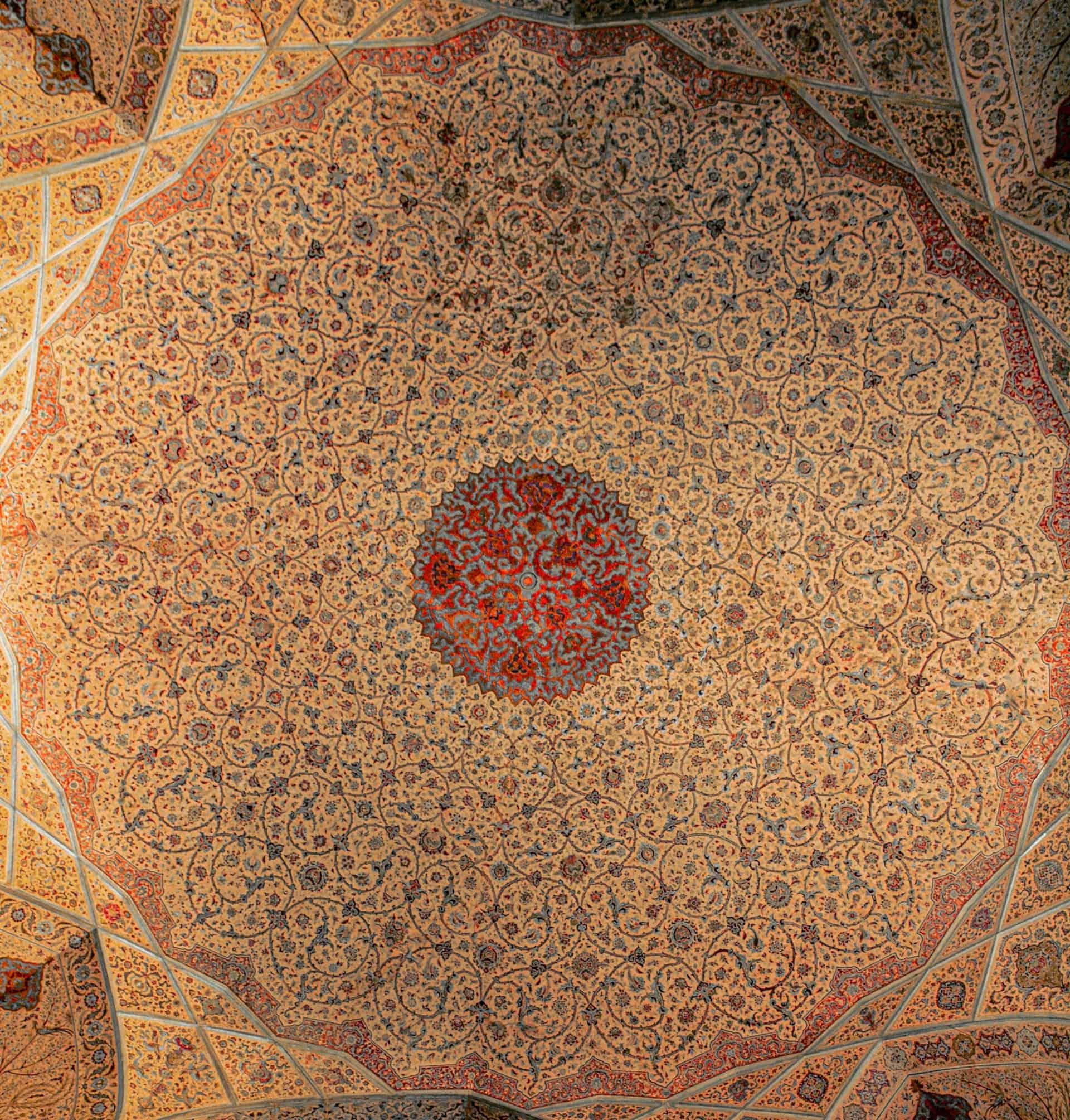
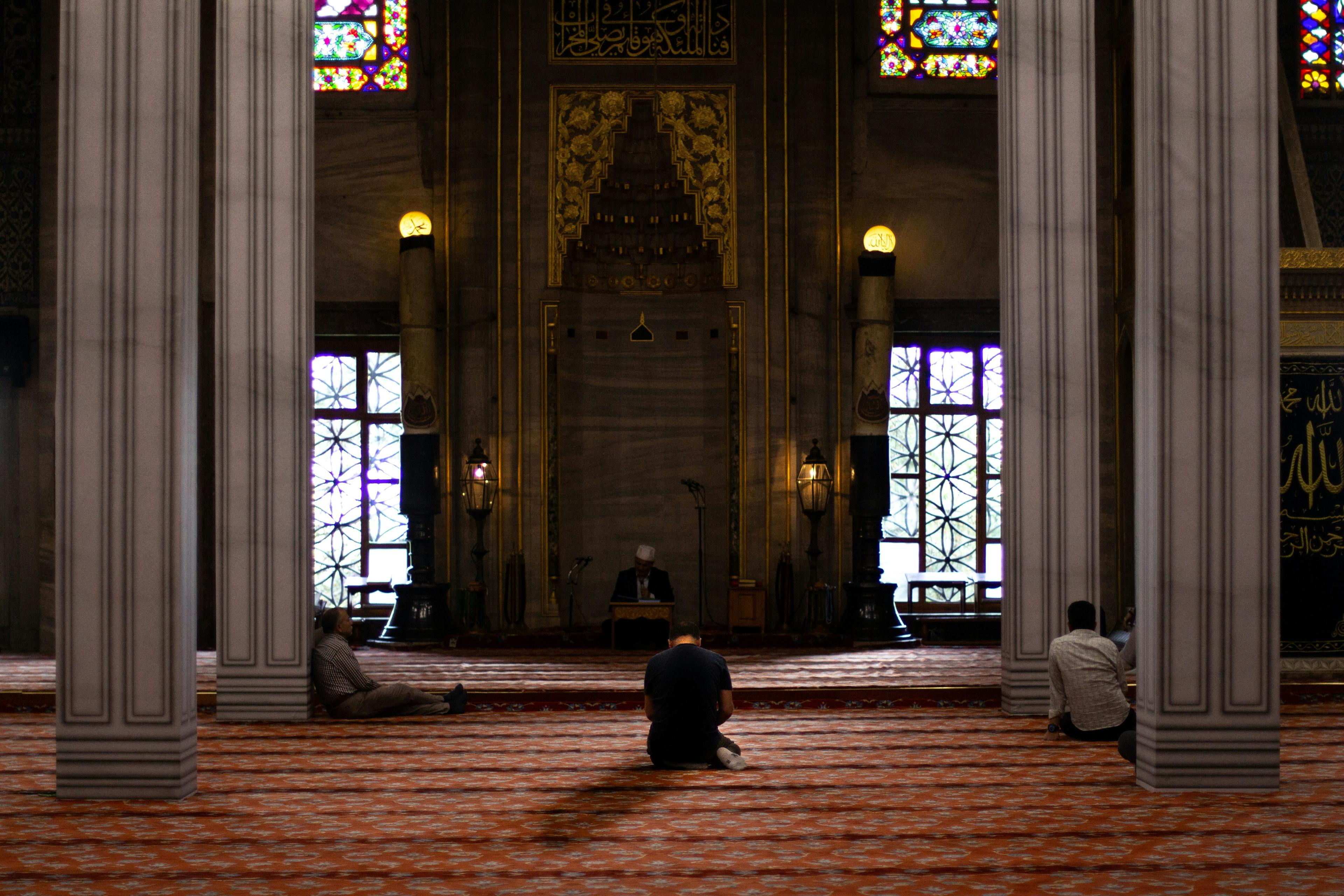
Overview
Islam is a monotheistic faith built on belief in one God (Allah) and following the guidance revealed to Prophet Muhammad (PBUH).
The word 'Islam' means peace and submission to God. It is a comprehensive way of life encompassing faith, worship, ethics, and community.
Muslims strive to practice these teachings in daily life through prayer, charity, justice, and compassion toward all creation.
“Islam is not just a set of rituals, but a way of life centered on faith, compassion, and responsibility.”
Core Foundation
The Five Pillars form the essential foundation of a Muslim's faith and daily religious practice.
Shahada
Bearing witness that there is no god but Allah and that Muhammad is His messenger.
Salah
Performing the five daily prayers that connect a believer with God throughout the day.
Zakat
Giving a prescribed portion of wealth annually to assist those in need.
Sawm
Fasting from dawn until sunset during Ramadan to cultivate self-discipline and empathy.
Hajj
Undertaking the pilgrimage to Mecca once in a lifetime for those who are physically and financially able.
Core Beliefs
The foundational theological principles that shape Islamic belief.
Belief in one Supreme God, Creator, and Sustainer of the universe.
Belief in spiritual beings created from light who carry out God's commands.
Belief in the scriptures revealed to prophets, including the Torah, Gospel, and Quran.
Belief in all prophets sent by God, from Adam to Muhammad (PBUH).
Belief in accountability, resurrection, and the afterlife.
Belief in God's ultimate knowledge, wisdom, and decree.
Sacred Scripture
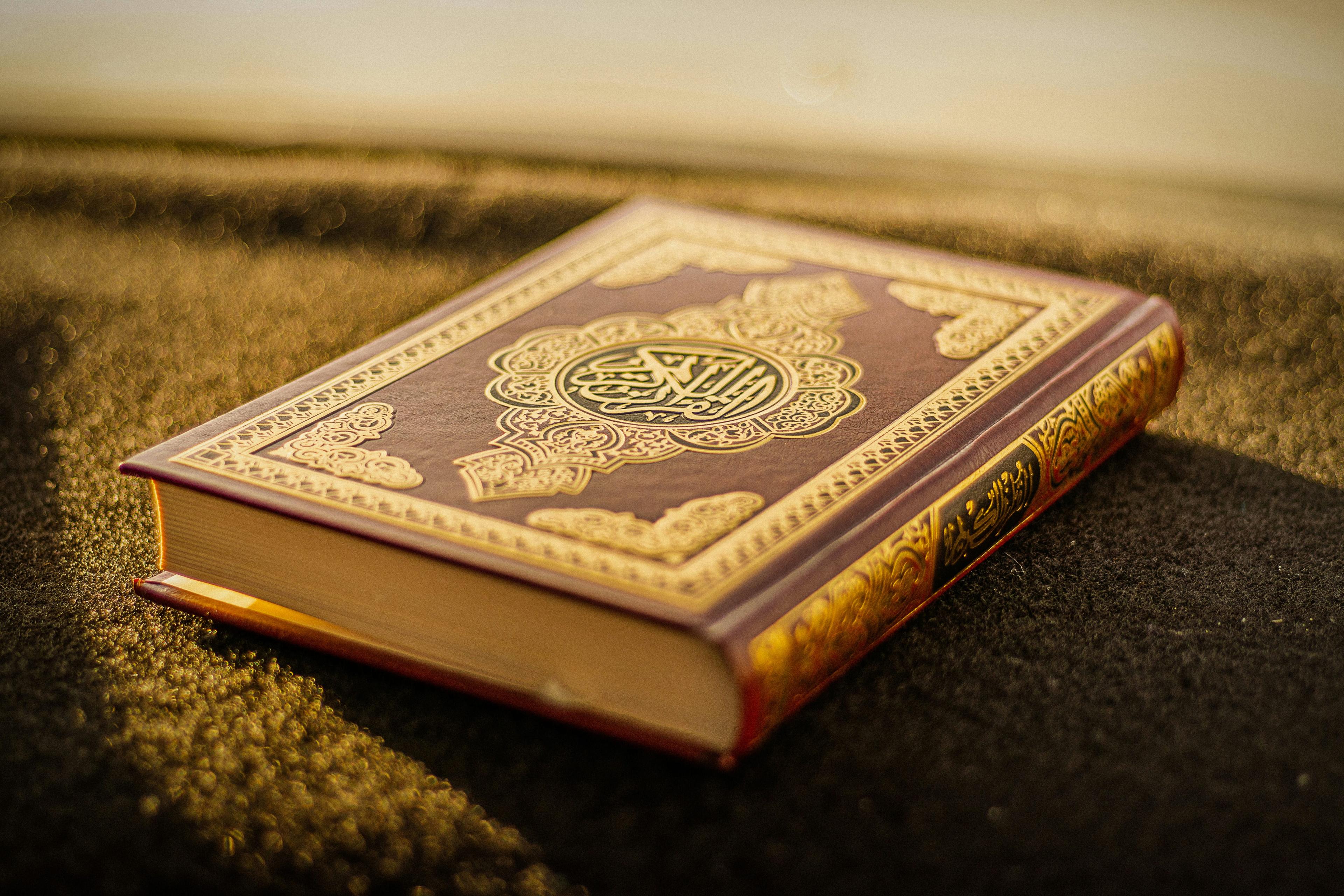
The Quran is the literal word of God revealed to Prophet Muhammad (PBUH) via the Angel Gabriel in Arabic.
It serves as the primary source of guidance, morals, and principles for Muslims across all generations.
Preserved in its original form, it is recited and memorized daily by millions around the world.
Exemplary Guidance
Born in Mecca, Prophet Muhammad (PBUH) is the final messenger sent by God as a mercy to humanity.
His life and Sunnah (teachings and actions) provide a practical model for living Quranic values.
Known for his honesty, compassion, humility, and justice, he established a community based on human dignity.
Living the Faith
How Islamic principles manifest in character, conduct, and daily routines.
Integrating mindfulness, daily prayers, and gratitude into routine activities.
Honoring parents, raising children with care, and nurturing family ties.
Caring for neighbors, supporting the needy, and contributing positively to society.
Upholding truthfulness, humility, fairness, and kindness in all interactions.
Welcome
We warmly welcome visitors interested in discovering our community, asking questions, or observing activities.
Contact Us to Visit
Frequently Asked Questions
'Allah' is the Arabic word for the One God, the Creator. It is used by Arabic-speaking Muslims, Christians, and Jews alike.
Arab refers to an ethnicity and language background, while Muslim refers to a follower of Islam. The majority of Muslims worldwide are not Arab.
Jesus (Isa) is revered in Islam as a major prophet and messenger of God, born to Mary, with deep respect for his teachings and miracles.
Mosques are centers for daily and Friday congregational prayers, education, community gatherings, and quiet contemplation.
Ramadan is the ninth month of the Islamic lunar calendar. Fasting fosters spiritual awareness, self-discipline, and empathy for the less fortunate.
Islam strongly encourages seeking knowledge. Quranic verses encourage observation, critical reflection, and understanding of the natural world.